



🔊 1. Core Concept (What makes A212 different)
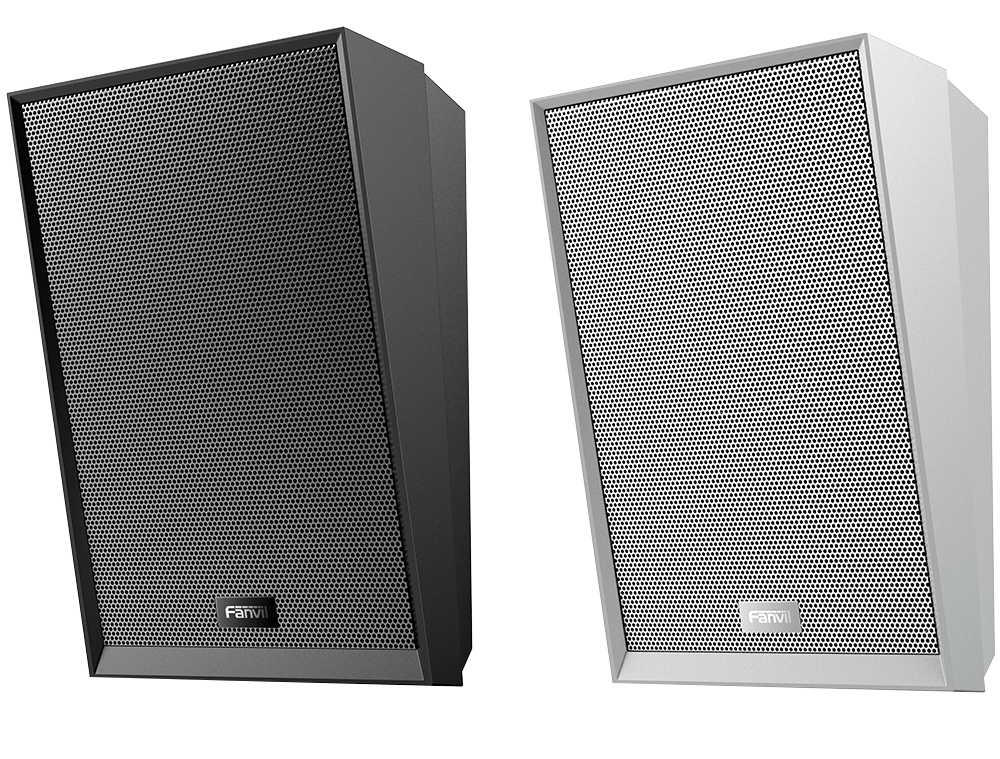
The A212 is a SIP-based IP audio terminal designed for indoor distributed audio systems.
👉 It is not just a speaker:
It’s a network endpoint that receives audio packets, processes them, and plays them—while also acting as an intercom device.
It can work:
- Standalone (single unit)
- Part of a large PA/IP paging system
- Integrated with security and automation systems
🧠 2. Functional Modes (How it is actually used)
The A212 operates in multiple modes, which is why it’s widely used:
📢 1. SIP Paging Mode
- Acts like a speaker extension
- You “call” the speaker from:
- IP phone
- Softphone
- PBX system
👉 Example:
- Dial extension 300 → announcement plays in office
📡 2. Multicast Broadcast Mode
- One audio stream → many speakers
- Supports up to 20 multicast zones
👉 Example:
- Zone 1 → Reception
- Zone 2 → Conference rooms
- Zone 3 → Corridors
🎤 3. Intercom Mode (Two-way)
- Built-in omnidirectional microphone
- Supports:
- Talkback
- Monitoring
👉 Example:
- Security ↔ classroom communication
⏰ 4. Scheduled Playback Mode
- Internal memory (~24MB) stores audio files
- Plays automatically at set times
👉 Example:
- School bell system
- Shift announcements
🔧 3. Hardware & Audio Engineering Details
🔊 Speaker System
- 5-inch coaxial speaker
- Output:
- 8W (PoE)
- 15W (PoE+ / DC)
- Frequency range: 100 Hz – 20 kHz
- Max SPL: ~105 dB
What this means:
- Covers full voice spectrum + some music
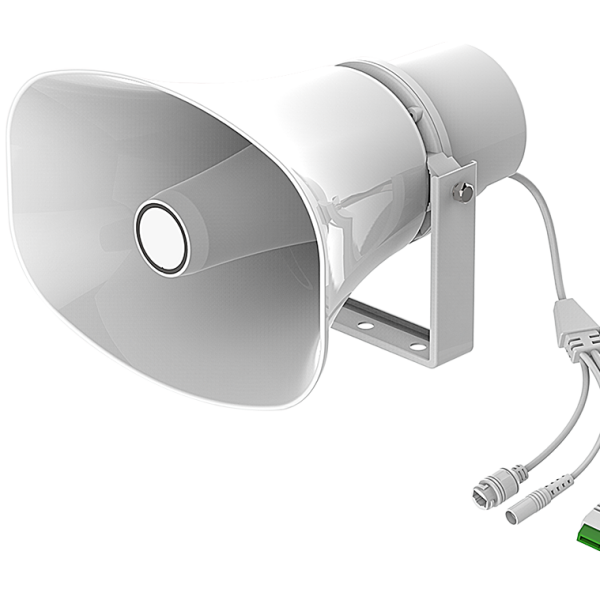
- Better clarity than horn speakers
- Not designed for extreme loud environments
👉 Key takeaway:
A212 = balanced indoor sound, not high-power projection
🎤 Microphone
- Omnidirectional
- Picks sound from all directions
- Used for:
- Intercom
- Monitoring
🔌 External Speaker Support
- Can connect another 15W passive speaker
👉 Useful when:
- One unit is not enough for a large room
🌐 4. Network & Protocol Stack (Advanced)
The A212 is fully network-driven:
Supported protocols:
- SIP 2.0 (VoIP communication)
- RTP / SRTP (audio streaming)
- HTTP / HTTPS (control & config)
- ONVIF (CCTV integration)
Network capabilities:
- IPv4 / IPv6
- VLAN
- QoS (priority for voice traffic)
- VPN (secure remote access)
👉 This allows:
- Stable communication in enterprise networks
- Secure deployment across buildings
🔗 5. Integration with Other Systems
This is where A212 becomes powerful:
Can integrate with:
- 📞 IP PBX systems (3CX, Asterisk, etc.)
- 🎥 CCTV systems (via ONVIF)
- 🚪 Access control
- 🔥 Fire alarm systems
- 🏢 Building management systems
Real automation example:
- Motion detected (camera) → trigger input
- A212 plays warning message
- Security gets notified
⚡ 6. I/O Interface (Industrial Control)
Ports:
- 3 input ports (trigger events)
- 1 output port (control external device)
👉 Example:
- Input: fire alarm signal
- Output: activate siren or light
⚙️ 7. Management & Configuration
Setup methods:
- Web interface (via IP address)
- Cloud (Fanvil Device Management System)
- Auto-provisioning (TR-069, DHCP options)
Features:
- Remote volume control
- Firmware upgrade
- Configuration backup
- Real-time monitoring
🏢 8. Deployment Design (Real Project Example)
Office building:
- 1 PoE switch
- 8 × A212 speakers
- 1 IP PBX
Workflow:
- Reception makes announcement
- All speakers receive multicast
- Message plays across all floors
👉 No amplifier required
👉 Only Ethernet cables used
📐 9. Physical & Environmental
- Dimensions: ~185 × 275 × 125 mm
- Installation:
- Wall-mounted
- Adjustable bracket
- Operating temp: -20°C to 55°C
👉 Designed for indoor commercial use
⚖️ 10. Strengths vs Limitations
✅ Advantages
- Clean indoor design
- Easy installation (single cable)
- Supports music + voice
- Strong system integration
- Scalable (add more units easily)
⚠️ Limitations
- Not suitable for:
- Outdoor use
- Very noisy environments
- Depends on:
- Network stability
- Lower power than horn speakers
🧠 Final Simple Explanation
The Fanvil A212 Wall-mounted Speaker is a smart indoor IP-based audio device that combines speaker + intercom + network communication, making it ideal for modern buildings where announcements, alerts, and communication are handled over Ethernet instead of traditional PA wiring.




Reviews
Clear filtersThere are no reviews yet.