Fast delivery within 72 Hours
Telephone Butt Connectors
ر.س28.00
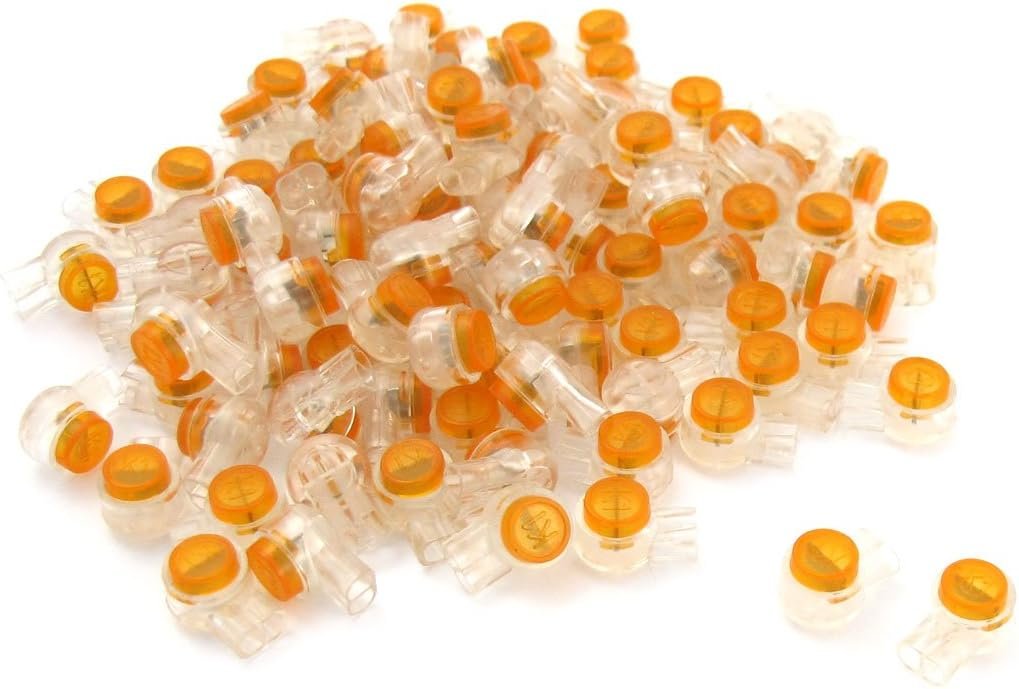
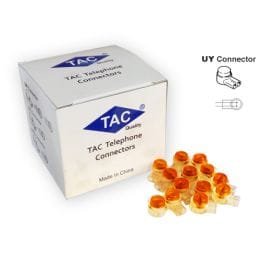
Air Tight Orange Clear Button Cable UY Butt Connectors
Shipping & Delivery
-
Courier delivery
Our courier will deliver to the specified address
2-3 Days
-
Warranty 1 year
Unbeatable offers
Black Friday Blowout!
Description
Telephone butt connectors (frequently called jelly crimps, jelly beans, or Scotchloks) are insulation displacement connectors (IDC) engineered to quickly splice solid copper telecom and low-voltage wires. They feature an internal, moisture-resistant silicone gel that floods the chamber upon compression to provide a completely waterproof and anti-corrosive seal, making them perfect for environments prone to moisture like outdoor junction boxes.
Core Technical Advantages
- Zero Stripping Required: The internally built-in metal V-grooves automatically slice through the plastic insulation jacket to clamp onto the bare copper wire.
- No Wire Twisting Needed: Wires are pushed directly into the ports parallel to one another, preventing structural stress or brittle breaks in fine solid-core lines.
- Visual Verification: Built with a clear polycarbonate outer body housing, allowing field technicians to visually check that the wires are inserted all the way to the back wall before crimping.
- Step-by-Step Installation GuideUsing jelly crimps successfully relies on completing the seal in one smooth motion:
- Inspect the Crimp: Ensure that the top colored button cap is completely popped up and not pre-compressed. Do not strip the wires.
- Insert the Lines: Push your solid copper wires straight into the openings until they bottom out against the clear rear wall of the connector.
- Align Your Tool: Place the connector between the jaws of a dedicated telecom crimp tool (such as an IDC specialty tool) or flat-faced lineman’s pliers. Avoid needle-nose pliers if possible, as they can cause uneven capping.
- Compress Firmly: Squeeze the handles straight down until the colored button sits completely flush with the clear outer body. You will feel the excess gel squeeze slightly, signaling that an airtight barrier has formed.